
Check Icon More than 150 years of experience
Check Icon Experts in flue gas and heat pumps
Check Icon Ease of installation & speed
Check Icon More than 2,000,000 homes supplied
Burgerhout

Heat pump solutions

Everything you need to connect and install heat pump systems correctly, efficiently and with confidence.

Heat pumps in residential buildings

The heat pump as the new standard

Heat pumps have become a fixture in residential construction. In new builds, they are the standard. In renovations, they are increasingly being used as a logical step within the energy transition.

This growth is not coming out of nowhere. The main drivers:

  • Stricter energy requirements and CO₂ reduction
  • A broader and better range of heat pump systems
  • More standardization within the installation sector

For you as an installer, this means you will increasingly encounter heat pumps in your daily work.

This isn't just about the device itself. Performance is also determined by air routes, connections, throughputs, and the installation method. If that's correct, the system will work as intended.

Applications & solutions

Hybrid or all-electric?

Hybrid heat pump

A hybrid system combines a heat pump with a central heating boiler. The heat pump provides most of the heating, while the boiler handles peak loads and supplies hot water.

What you see in practice:

  • Suitable for existing buildings
  • Minor adjustments required
  • Suitable for gradual eco-friendly improvements
  • Relatively quick to integrate

The challenge often lies in the available space. Airflows, pipes, and connections must be logically integrated without compromising functionality.

All-electric heat pump

In an all-electric system, the heat pump provides everything. Heating and hot water, without a gas connection.

This poses higher demands on the design:

  • Correct dimensioning of the system
  • Careful component layout
  • Low temperature heat emitters' matching
  • Correct air circulation and insulation

Within all-electric systems, a distinction is made between indoor and outdoor installations. Both require different technical specifications and a different installation approach.

Indoor

Indoor heat pumps

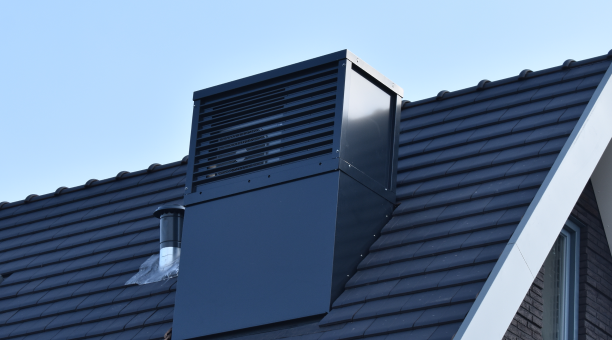
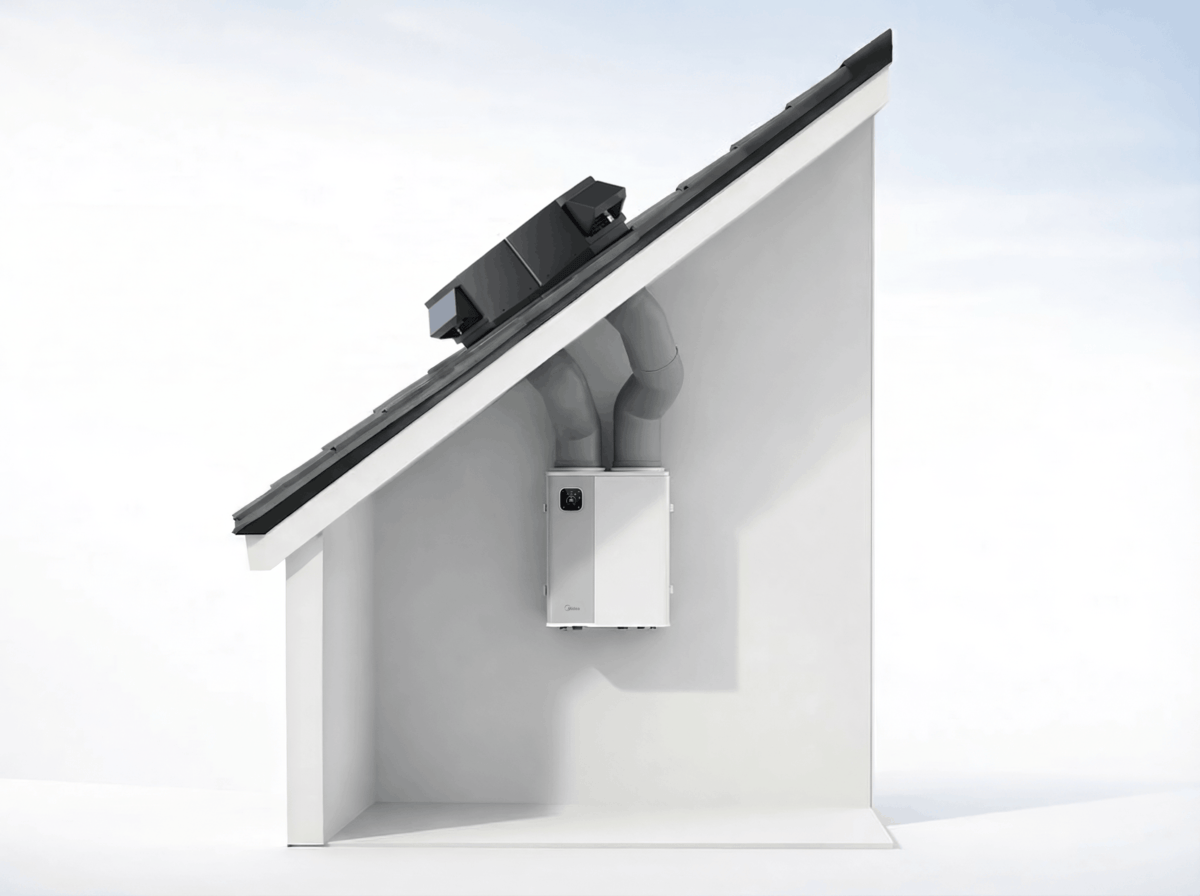
When a heat pump is installed indoors, the unit is located in the technical room or utility room. Air supply and extraction run via ducts to the roof or the facade.

There is little room for manoeuvre here. Everything must fit and function correctly.

Important points to consider

  • Keep ducts as short and logical as possible to limit pressure loss and noise
  • Ensure a reliable, frost-free condensate drain
  • Correctly decouple vibration and bracket channels
  • Install roof and facade penetrations to be airtight and watertight, and in accordance with fire safety regulations.
  • Keep components accessible for maintenance
  • Pay special attention to sound control in compact spaces

A good interior setup requires smart choices in design and materials. This prevents problems during installation and use.

Outdoor

Heat pumps with an outdoor unit

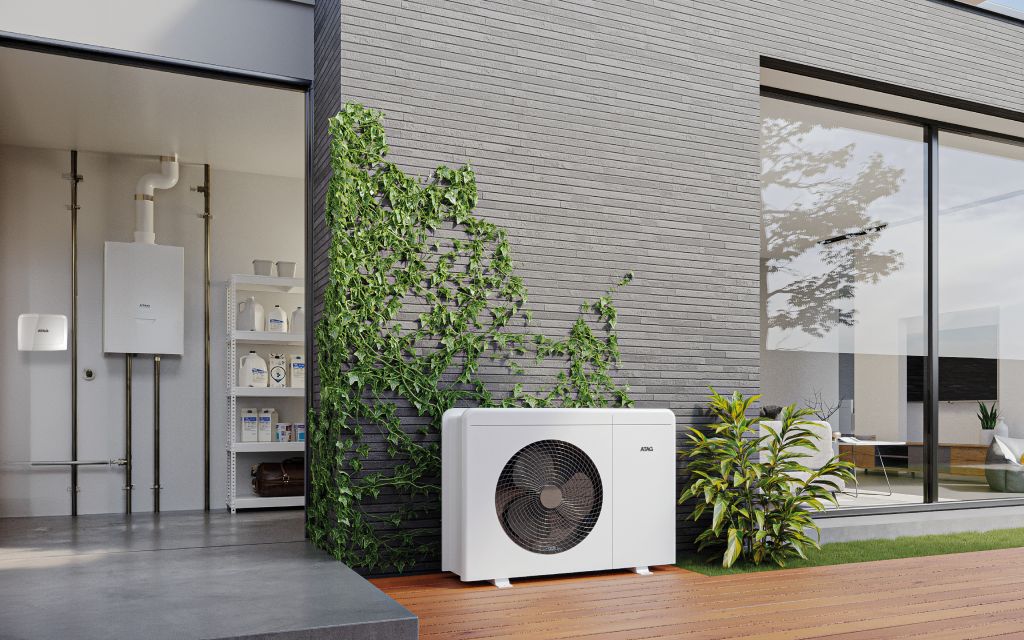
In an outdoor setup, the air/water heat pump is located outside, for example in the garden or on the roof. The heat is transferred indoors via a water circuit.

The operation of the system is strongly influenced here by the setup and the immediate surroundings.

Important points to consider

  • Prevent discharged air from being recirculated
  • Take frost, icing and drainage into account
  • Position the unit correctly in relation to facades and plot boundaries
  • Comply with the applicable noise requirements
  • Ensure correct exhaust direction and air flow

Good positioning prevents loss of return and subsequent complaints.